
Why practice meditation daily for growth and balance
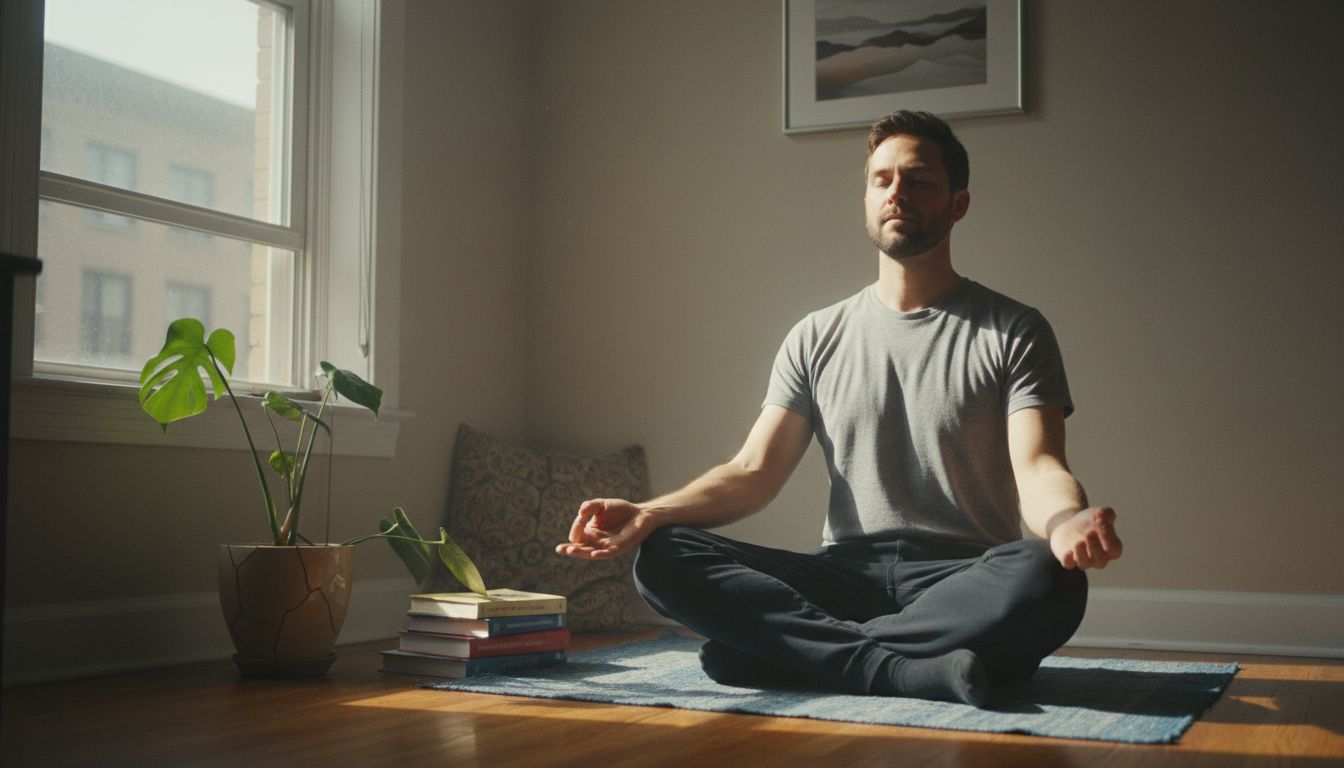
Many believe meditation simply helps you relax after a stressful day, but neuroscience reveals it actually reshapes brain networks tied to awareness and emotional regulation. Daily meditation transforms how your mind processes thoughts, emotions, and experiences, supporting profound personal growth and spiritual awakening. This article explores science-backed benefits, practical meditation techniques, and actionable guidance to help you cultivate lasting balance.
Table of Contents
Key takeaways
Point | Details |
Brain transformation | Daily meditation rewires neural networks, improving attention and emotional control. |
Multiple pathways | Buddhist techniques like Samatha, Vipassana, and Metta each offer unique benefits for consciousness. |
Mental health gains | Meditation reduces depression, lowers chronic pain, and can trigger mystical experiences. |
Safe practice matters | Up to 87% of practitioners report some adverse effects, making informed practice essential. |
Daily integration | Short, consistent sessions build concentration and deepen insight over time. |
How meditation transforms your brain for growth and balance
Your brain physically changes when you meditate regularly. Research shows that daily meditation decreases functional integration in the default mode network, the brain region responsible for mind-wandering and repetitive self-referential thoughts. When this network quiets, you experience less mental chatter and more present-moment awareness.
Your prefrontal cortex, the brain’s decision-making center, literally thickens with consistent practice. This strengthens regions involved in attention, emotional regulation, and self-awareness. You gain better impulse control and can respond thoughtfully rather than react automatically to challenging situations.
The amygdala, your brain’s stress and fear processing center, shows altered activity patterns after meditation training. This shift promotes emotional balance, helping you reduce stress and maintain composure during difficult moments. Neuroimaging studies confirm these aren’t temporary effects but measurable changes in brain architecture.
Key brain benefits include:
Reduced default mode network activity for less mind-wandering
Enhanced prefrontal cortex thickness for better decision-making
Modified amygdala response patterns for emotional resilience
Improved neural connectivity between attention and awareness regions
Faster information processing in areas tied to self-regulation
“Meditation trains your mind to respond, not react, creating space between stimulus and response where true freedom lives.”
These neurological shifts translate directly to personal growth. You become more aware of thought patterns that no longer serve you, allowing conscious choice rather than habitual reaction. Your capacity for emotional balance expands as neural pathways supporting mindful awareness strengthen.
Distinct meditation techniques: pathways to transformation
Buddhist meditation offers three primary approaches, each using distinct psychological pathways to transform consciousness and foster spiritual awakening. Understanding these techniques helps you choose practices aligned with your growth goals.
Samatha, or focused attention meditation, cultivates concentrated mental stability. You direct attention to a single object, often the breath, training your mind to remain steady despite distractions. This practice builds the foundation for deeper insight work by strengthening your ability to sustain focus.
Vipassana, or open monitoring meditation, develops insight into the impermanent nature of thoughts and sensations. Rather than concentrating on one object, you observe whatever arises in awareness without judgment. This technique reveals patterns in your mental and emotional landscape, fostering profound self-understanding.
Metta, or loving-kindness meditation, intentionally cultivates compassion toward yourself and others. You generate feelings of goodwill, progressively extending them from close loved ones to neutral people to difficult individuals. This practice transforms your emotional relationship with yourself and the world.
Technique comparison:
Technique | Primary Focus | Core Benefit | Best For |
Samatha | Single-pointed attention | Mental stability and concentration | Building foundational focus |
Vipassana | Open awareness observation | Insight into impermanence | Understanding mental patterns |
Metta | Compassionate intention | Emotional transformation | Developing empathy and kindness |
Each approach modifies brain networks differently. Samatha strengthens attention circuits, Vipassana enhances self-awareness regions, and Metta activates empathy-related areas. Research confirms that Buddhist meditation integrates concentrated stabilization with discernment, offering benefits far beyond basic stress management.
Practitioners typically progress through stages, moving from symptom relief to deeper awakening. You might start with Samatha to build concentration, transition to Vipassana for insight, and incorporate Metta to transform emotional patterns. Exploring types of meditation practices helps you understand which techniques align with your current needs.
Pro Tip: Alternate between techniques based on your mental state. Use Samatha when scattered, Vipassana when seeking clarity, and Metta when experiencing emotional difficulty.
The 2026 meditation landscape reflects growing interest in these traditional practices adapted for modern life. More practitioners are deepening flow consciousness by combining ancient techniques with contemporary neuroscience understanding.
Mental health benefits and mystical experiences from daily meditation
Daily meditation delivers measurable mental health improvements that extend well beyond temporary relaxation. Studies demonstrate that regular practice reduces depression symptoms and enhances mental clarity, with effects comparable to or exceeding standard therapeutic interventions.
Chronic pain sufferers experience significant relief through meditation. Research shows mindfulness meditation significantly reduces chronic low back pain intensity and improves quality of life more effectively than many conventional treatments. The practice changes how your brain processes pain signals, reducing suffering without eliminating sensation.

Interoception, your awareness of internal body states, improves substantially with practice. A meta-analysis confirms mindfulness meditation training enhances interoception measures across multiple dimensions. This heightened body awareness supports emotional regulation and self-understanding, key components of personal growth.
Beyond symptom relief, meditation can trigger profound mystical-type experiences. Research documents that meditation produces subjective mystical experiences characterized by transcendence, unity consciousness, and deep spiritual insight. These experiences often catalyze lasting perspective shifts and accelerate spiritual awakening.
Mental health benefits comparison:
Condition | Meditation Impact | Timeframe | Additional Benefit |
Depression | Significant symptom reduction | 8-12 weeks | Enhanced mental clarity |
Chronic pain | Lower pain perception | 4-8 weeks | Improved life quality |
Anxiety | Reduced worry patterns | 6-10 weeks | Better emotional regulation |
Stress | Decreased cortisol levels | 2-4 weeks | Enhanced resilience |
Regular practitioners report a sense of well-being that transcends mere absence of symptoms. You cultivate positive mental states rather than simply managing negative ones. This shift represents meditation’s true transformative potential for personal growth.
Key mental health outcomes:
Reduced depression through altered thought patterns
Lower chronic pain perception via neural pathway changes
Enhanced interoception for better self-regulation
Possible mystical experiences deepening spiritual insight
Overall well-being improvements beyond symptom management
Pro Tip: Track your mood and pain levels daily to notice subtle improvements that might otherwise go unrecognized. Small consistent gains compound into major transformations.
The practice helps you cut depression and gain clarity through systematic attention training. Starting with beginner stress relief practices builds confidence before progressing to advanced techniques.
Navigating challenges: adverse effects and safe meditation practices
While meditation offers profound benefits, awareness of potential challenges ensures safe practice. Research reveals that 25-87% of meditators report some adverse effects during their practice journey, with experiences ranging from mild discomfort to functional impairment requiring professional support.
Common adverse effects include increased anxiety, depressive episodes, and traumatic memory re-experiencing. These effects aren’t failures but often signal deep processing of unresolved emotional material. Your meditation practice may surface buried feelings that require attention and integration.
Certain factors increase risk for adverse experiences. Intensive retreat attendance, pre-existing mental health conditions, and trauma history elevate the likelihood of challenging responses. Individuals with these backgrounds benefit from working with experienced teachers who can provide appropriate guidance.
Risk mitigation strategies:
Start with short sessions and gradually increase duration
Work with qualified instructors, especially if you have mental health concerns
Practice self-compassion when difficult emotions arise
Seek professional support if adverse effects persist or intensify
Balance intensive practice with integration time
Screening and ongoing monitoring significantly reduce negative outcomes. Informed consent about potential challenges helps you prepare mentally and emotionally. Many adverse effects resolve naturally as you develop greater capacity to work with intense experiences.
“Awareness of meditation’s challenges doesn’t diminish its value but ensures you approach practice with realistic expectations and appropriate support systems.”
Gradual practice introduction proves especially important for beginners. Jumping into intensive retreats without foundational experience increases risk. Building self-awareness progressively allows your nervous system to adapt safely to expanded consciousness.
Understanding these dynamics supports sustainable meditation for long-term growth. You learn to distinguish between productive discomfort that signals growth and harmful stress requiring intervention. This discernment protects your mental health while allowing transformative experiences.
Practical tips for incorporating daily meditation into your life
Starting a sustainable daily meditation practice requires structure and realistic expectations. Begin with five to ten minute sessions focusing on breath awareness. This foundational practice builds concentration without overwhelming your schedule or attention capacity.
Your prefrontal cortex thickness increases within weeks of regular practice, so consistency matters more than duration. Short daily sessions produce better results than sporadic longer ones. Your brain needs repeated exposure to form new neural pathways.
Progress to techniques like Samatha and Vipassana once you establish basic concentration. Samatha deepens your focus capacity, while Vipassana cultivates insight into mental patterns. Incorporating Metta develops emotional empathy and transforms difficult relationships with yourself and others.
Daily practice structure:
Choose a consistent time each day, preferably morning when your mind is fresh
Create a dedicated space free from distractions and associated with calm
Start with breath awareness for 5-10 minutes to establish baseline focus
Progress to chosen technique once settling occurs naturally
End sessions with brief reflection on insights or shifts noticed
Track practice duration and subjective experience in a journal
Consistent timing and location create helpful environmental cues. Your brain begins associating the space and time with meditative states, making it easier to settle quickly. This conditioning effect reduces the effort required to enter focused awareness.
Pro Tip: Set a gentle timer so you don’t watch the clock. This allows complete immersion in practice without worrying about running over your available time.
Track your progress by noting mental and emotional changes in a journal. You might observe improved focus at work, greater patience with loved ones, or increased awareness of thought patterns. These markers validate your practice and reveal areas for continued growth.
Building a daily meditation routine that supports flow and balance requires experimentation to find what works for your lifestyle. Some people thrive with morning practice, while others prefer evening sessions. Honor your natural rhythms rather than forcing an incompatible schedule.
Discover guided meditation programs to deepen your practice
Establishing a daily meditation practice becomes significantly easier with structured guidance and community support. While self-directed practice builds valuable independence, expert-led programs accelerate your progress by providing proven frameworks and addressing common obstacles before they derail your momentum.
The Awaken Flow Mastery program offers a comprehensive 30-day guided meditation series designed specifically for individuals seeking sustained flow states and spiritual awakening. Each session builds systematically on previous work, ensuring you develop foundational skills before advancing to more subtle practices.

Specialized resources like reconnect with your higher self meditation courses provide targeted support for deepening spiritual connection. These programs combine guided audio with integration practices that help you embody insights rather than just intellectually understand them. The approach emphasizes experiential learning, allowing direct discovery of meditative states.
Joining meditation communities provides accountability and shared learning that sustains motivation during challenging periods. When individual practice feels difficult, community connection reminds you why you started and offers encouragement to continue. Exploring comprehensive flow mastery approaches gives you multiple entry points based on your current needs and experience level.
Frequently asked questions
What are the main benefits of practicing meditation daily?
Daily meditation reshapes brain networks to improve attention, emotional regulation, and self-awareness while reducing stress and mental chatter. It supports mental health by lowering depression and chronic pain, enhances body awareness for better self-regulation, and can trigger mystical experiences that deepen spiritual insight. These benefits compound over time as neural pathways strengthen.
How does meditation support spiritual awakening?
Meditation creates conditions for spiritual awakening by quieting mental noise and expanding awareness beyond ordinary thinking patterns. Techniques like Vipassana reveal the impermanent nature of thoughts and sensations, while practices can trigger transcendent experiences characterized by unity consciousness. Regular practice progressively dissolves identification with limited self-concepts, allowing recognition of deeper spiritual dimensions.
Can meditation cause negative side effects?
Yes, research shows 25-87% of practitioners experience some adverse effects including increased anxiety, depression, or traumatic memory re-experiencing. Risk factors include intensive retreats, pre-existing mental health conditions, and trauma history. These effects often signal deep processing of unresolved material and typically resolve with appropriate support, gradual practice progression, and working with experienced teachers.
What meditation technique should beginners start with?
Beginners benefit most from starting with simple breath awareness or Samatha focused attention meditation. These foundational practices build concentration capacity without overwhelming your nervous system or requiring complex instructions. Begin with five to ten minute daily sessions, progressively increasing duration as your focus strengthens, before advancing to insight practices like Vipassana or compassion techniques like Metta.
How long before I notice meditation benefits?
Many practitioners notice improved focus and reduced stress within two to four weeks of consistent daily practice. Brain structure changes like increased prefrontal cortex thickness appear within weeks, while more profound transformations in emotional regulation and self-awareness typically emerge after eight to twelve weeks. Mental health improvements for conditions like depression often become significant around the eight week mark with regular practice.
Recommended

Comments