
Top sound frequencies for meditation and healing in 2026

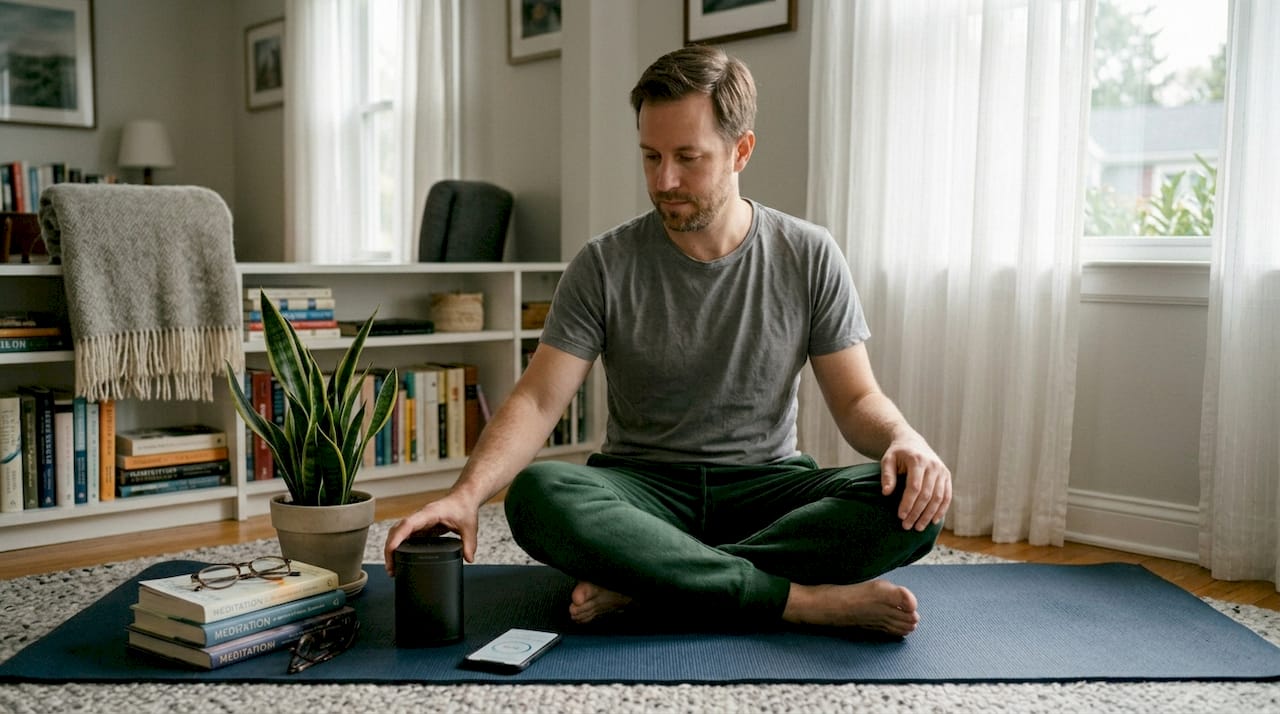
Selecting the right sound frequency for meditation can feel overwhelming with so many options claiming to unlock healing and spiritual alignment. From ancient solfeggio tones to modern binaural beats, each frequency type offers distinct benefits for your practice. Understanding which frequencies align with your meditation goals, whether stress reduction, chakra balancing, or deeper consciousness, helps you make informed choices. This guide explores the most effective sound frequencies used in meditation today, evaluating their healing properties, brainwave effects, and scientific support to help you enhance your inner connection and align with your higher self.
Table of Contents
Key Takeaways
Point | Details |
Solfeggio healing and chakras | Ancient solfeggio tones are linked to targeted healing and chakra activation and are used to guide meditation toward personal transformation. |
Binaural brain entrainment | These tones can help guide the mind into deeper alpha, theta, or delta states during meditation. |
432 Hz relaxation benefits | Practitioners report 432 Hz promotes relaxation and may lower heart rate during meditation. |
Stress hormone and BP reduction | Sound meditation practices may lower stress hormones and help reduce blood pressure in practice. |
Evidence quality varies | Evidence quality varies across frequencies with some supported by peer reviewed studies and others mainly anecdotal. |
Criteria for choosing sound frequencies in meditation
Selecting sound frequencies requires evaluating several key factors beyond marketing claims. Your meditation goals determine which frequency type serves you best.
Consider these essential criteria when choosing meditation frequencies:
Physical healing outcomes like heart rate variability, blood pressure, and stress hormone levels
Brainwave entrainment capacity to induce alpha, theta, or delta states
Subjective experience including tone warmth, comfort, and personal resonance
Scientific evidence from peer-reviewed studies versus anecdotal testimonials
Safety considerations for neurological conditions
Pro Tip: Start with 10 minute sessions using a single frequency type to assess your body’s response before committing to longer meditation daily growth benefits practices.
The individual response to sound frequencies varies significantly between practitioners. People with epilepsy should avoid binaural beats due to seizure risk. Many meditators report preferring the warmer quality of 432 Hz over standard tuning, though this remains subjective. Scientific research shows measurable physiological changes with certain frequencies, while others rely primarily on traditional healing frameworks.
Your nervous system responds differently to various frequencies based on current stress levels, meditation experience, and individual brain chemistry. Testing multiple frequency types during different meditation sessions helps identify which produces the deepest relaxation and most beneficial outcomes for your unique physiology.
Solfeggio frequencies: ancient tones for healing and transformation
The solfeggio frequency overview includes nine specific tones ranging from 174 Hz to 963 Hz, each associated with distinct healing properties and chakra activation. These frequencies trace back to ancient musical scales used in sacred chants and spiritual practices.
Key solfeggio frequencies include:
174 Hz for pain reduction and physical grounding
285 Hz for tissue regeneration and energy field repair
396 Hz for releasing fear and guilt patterns
417 Hz for facilitating change and clearing trauma
528 Hz for DNA repair and transformation
639 Hz for relationship harmony and heart connection
741 Hz for expression and toxin release
852 Hz for intuition and spiritual order
963 Hz for crown chakra activation and higher consciousness
The 528 Hz frequency receives particular attention for its claimed effects on cellular transformation and DNA repair mechanisms. Practitioners report deeper emotional release and heightened spiritual awareness when meditating with this tone. The 963 Hz frequency targets the crown chakra, supporting connection with universal consciousness and your higher self.
“Solfeggio frequencies create a sacred sound environment that supports energetic alignment and facilitates profound inner healing when integrated consistently into meditation practice.”
Research on solfeggio frequencies remains limited compared to other sound meditation methods. Most benefits of solfeggio frequencies come from practitioner reports and traditional healing frameworks rather than controlled clinical trials. The relaxation response these tones produce may account for many reported benefits, independent of specific frequency claims.
Incorporating solfeggio frequencies into your meditation creates a structured approach to targeting specific healing intentions. Rotating through different frequencies based on current emotional or physical needs allows personalized sound therapy sessions.
Binaural beats: brainwave entrainment with targeted meditation states
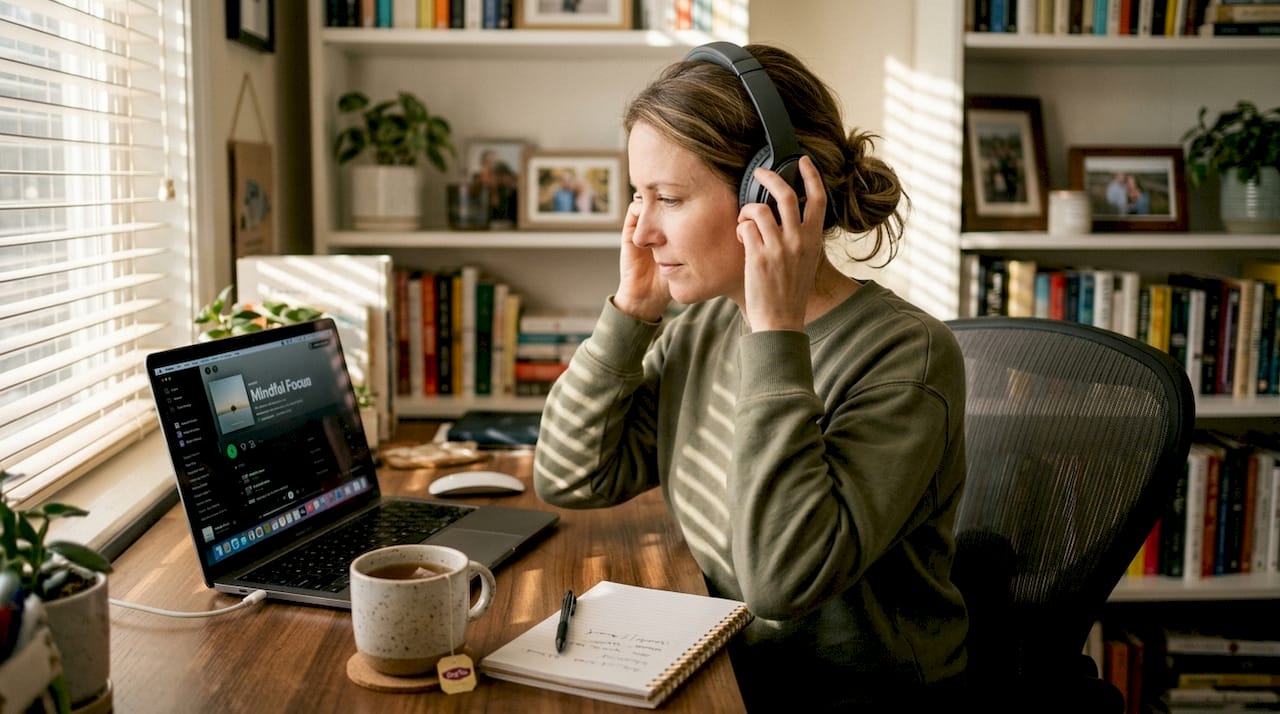
Binaural beats work by playing two slightly different frequencies in each ear, creating a perceived third tone that your brain processes. This auditory illusion entrains brainwaves to match specific frequencies associated with different consciousness states.
The binaural beats principles operate through frequency following response. When your left ear receives 200 Hz and your right ear receives 210 Hz, your brain perceives a 10 Hz beat. This perceived frequency guides your brainwaves toward the target state.
Common binaural beat frequencies for meditation:
Delta (0.5 to 4 Hz) for deep sleep and healing
Theta (4 to 8 Hz) for deep meditation and subconscious access
Alpha (8 to 12 Hz) for relaxation and light meditation
Beta (12 to 30 Hz) for focused attention and alertness
Brainwave State | Frequency Range | Meditation Benefits |
Theta | 4 to 8 Hz | Deep meditation, creativity, subconscious exploration |
Alpha | 8 to 12 Hz | Relaxed awareness, stress reduction, mindfulness meditation and brainwaves |
Delta | 0.5 to 4 Hz | Restorative healing, dreamless sleep, physical recovery |
Pro Tip: Use stereo headphones for binaural beats to ensure each ear receives the distinct frequency needed for proper brainwave entrainment.
Scientific studies demonstrate binaural beats can improve attention, reduce anxiety, and facilitate relaxation responses. The entrainment effect varies based on the frequency difference between tones and individual brain sensitivity. People with epilepsy should avoid binaural beats due to potential seizure triggers from rhythmic auditory stimulation.
Binaural beats offer precise control over meditation depth by targeting specific brainwave states. This makes them valuable for practitioners seeking consistent access to theta states for spiritual work or alpha states for stress management.
432 Hz tuning: natural frequency for calm and heart health
Music tuned to 432 Hz instead of the standard 440 Hz or 443 Hz produces measurable physiological benefits during meditation. Research shows 432 Hz music benefits include reduced heart rate and improved relaxation compared to standard tuning.
Randomized controlled trials demonstrate 432 Hz tuning:
Lowers heart rate more effectively than 440 Hz or 443 Hz
Improves heart rate variability indicating better autonomic balance
Reduces systolic and diastolic blood pressure during listening sessions
Creates subjective experiences of warmth and natural resonance
The difference between 432 Hz and standard tuning appears subtle but creates distinct physiological responses. Standard concert pitch sits at 440 Hz in most Western music, while some European orchestras use 443 Hz. The 8 to 11 Hz difference shifts the entire musical scale, affecting how your nervous system processes the sound.
Tuning Standard | Heart Rate Effect | Subjective Quality | Best For |
432 Hz | Significant reduction | Warm, natural, calming | Stress reduction through meditation, cardiovascular health |
440 Hz | Moderate reduction | Bright, standard | General listening, conventional practice |
443 Hz | Minimal reduction | Sharp, energizing | Alertness, active meditation |
Meditators consistently describe 432 Hz as feeling more aligned with natural rhythms and producing deeper relaxation. This frequency appears particularly effective for practitioners focused on cardiovascular health benefits alongside spiritual practice. The calming properties make 432 Hz ideal for evening meditation sessions or when working to lower stress hormone levels.
Comparing sound frequencies: benefits and ideal uses
Each sound frequency type offers distinct advantages for meditation practice. Understanding their differences helps match frequencies to your specific healing and consciousness goals.
Frequency Type | Scientific Support | Primary Mechanism | Ideal Application |
Solfeggio | Traditional/limited clinical | Chakra resonance, energetic alignment | Spiritual healing, targeted chakra work |
Binaural beats | Moderate clinical evidence | Brainwave entrainment | Deep meditation states, sleep improvement |
432 Hz | Strong RCT evidence | Cardiovascular relaxation | Stress relief, heart health |
528 Hz | Emerging evidence | Cortisol reduction | Emotional healing, transformation |
Research demonstrates sound meditation cortisol study results show significant stress hormone reduction across multiple frequency types. Studies using singing bowls at 528 Hz produced measurable decreases in cortisol levels and blood pressure. Binaural beats show consistent benefits for attention and relaxation in controlled settings.
Key strengths and limitations:
Solfeggio frequencies excel at providing structured healing frameworks but lack extensive peer-reviewed validation
Binaural beats offer precise brainwave targeting with good scientific support but require headphones and carry epilepsy contraindications
432 Hz tuning provides strong cardiovascular benefits with solid research backing but offers less spiritual framework than other options
Individual response varies significantly, making personal experimentation essential
Practical selection guidance depends on your primary meditation intention. Choose binaural beats for accessing specific consciousness states like deep theta meditation. Select 432 Hz music for maximum stress reduction and heart health benefits. Use solfeggio frequencies when working with traditional chakra systems or seeking transformation through ancient healing frameworks.
Combining frequency types across different meditation sessions provides comprehensive benefits. Morning practice might use alpha binaural beats for focused awareness, while evening sessions could incorporate 432 Hz music for cardiovascular relaxation. Explore the sound frequency meditation research to stay current on emerging studies and applications.
Discover personalized meditation guidance with Awaken Flow Mastery
Transforming sound frequency knowledge into consistent practice requires expert guidance and structured programs. Awaken Flow Mastery offers comprehensive meditation courses integrating sound frequencies with proven flow state techniques to deepen your connection with your higher self.
Our 30 day program combines flow mastery meditation courses with intuitive journaling and targeted sound frequencies to create lasting transformation. You’ll learn exactly which frequencies serve your unique healing journey while developing sustainable meditation habits.
Join the awaken flow mastery challenge to apply these sound frequency concepts with daily guided sessions. Experience how professional meditation instruction accelerates your progress beyond self-directed practice alone.
FAQ
What frequency is best for meditation?
The optimal frequency depends entirely on your meditation goals. Binaural beats at 4 to 8 Hz facilitate deep theta states for subconscious exploration and spiritual connection. For stress reduction and cardiovascular benefits, 432 Hz tuning produces the strongest research-backed results. Solfeggio frequencies like 528 Hz target emotional healing and transformation, while 963 Hz supports higher consciousness work. Experiment with different frequencies during 10 to 15 minute sessions to identify which produces your deepest relaxation and most beneficial outcomes.
Are solfeggio frequencies scientifically proven?
Solfeggio frequencies have extensive traditional use in spiritual practices but limited peer-reviewed clinical validation. Most benefits likely stem from the general relaxation response rather than frequency-specific mechanisms. Some emerging research on 528 Hz shows promise for cortisol reduction, but large-scale controlled trials remain scarce. Combining solfeggio frequencies with evidence-based meditation techniques provides the most reliable results while honoring their traditional healing framework.
Can sound frequencies help reduce meditation anxiety?
Yes, multiple studies demonstrate sound frequencies significantly reduce anxiety and stress markers. Research shows 528 Hz and singing bowl frequencies lower cortisol levels and blood pressure in meditation practitioners. Binaural beats improve attention while reducing anxiety symptoms in clinical populations. Guided meditation for stress relief combined with appropriate sound frequencies amplifies anxiety reduction beyond either practice alone. Consistent use over several weeks produces the strongest anxiety management benefits.
How long should I meditate with sound frequencies?
Begin with 10 to 15 minute sessions to assess your response to new frequencies. Most physiological benefits like heart rate reduction appear within 5 to 10 minutes of exposure. For brainwave entrainment with binaural beats, 20 to 30 minute sessions allow sufficient time for your brain to synchronize with target frequencies. Advanced practitioners often extend sessions to 45 to 60 minutes for deeper states. Consistency matters more than duration, so daily 15 minute practices outperform sporadic longer sessions.
Do I need special equipment for frequency meditation?
Binaural beats require stereo headphones to deliver different frequencies to each ear for proper brainwave entrainment. Solfeggio frequencies and 432 Hz music work effectively through quality speakers or headphones. Avoid using single earbuds or mono audio sources with binaural beats as they eliminate the frequency difference needed for entrainment. Standard meditation equipment like cushions and quiet space enhances any frequency practice. Invest in comfortable over-ear headphones if you plan regular binaural beat sessions.
Recommended

Comments