
What is guided meditation: a stress relief guide 2026

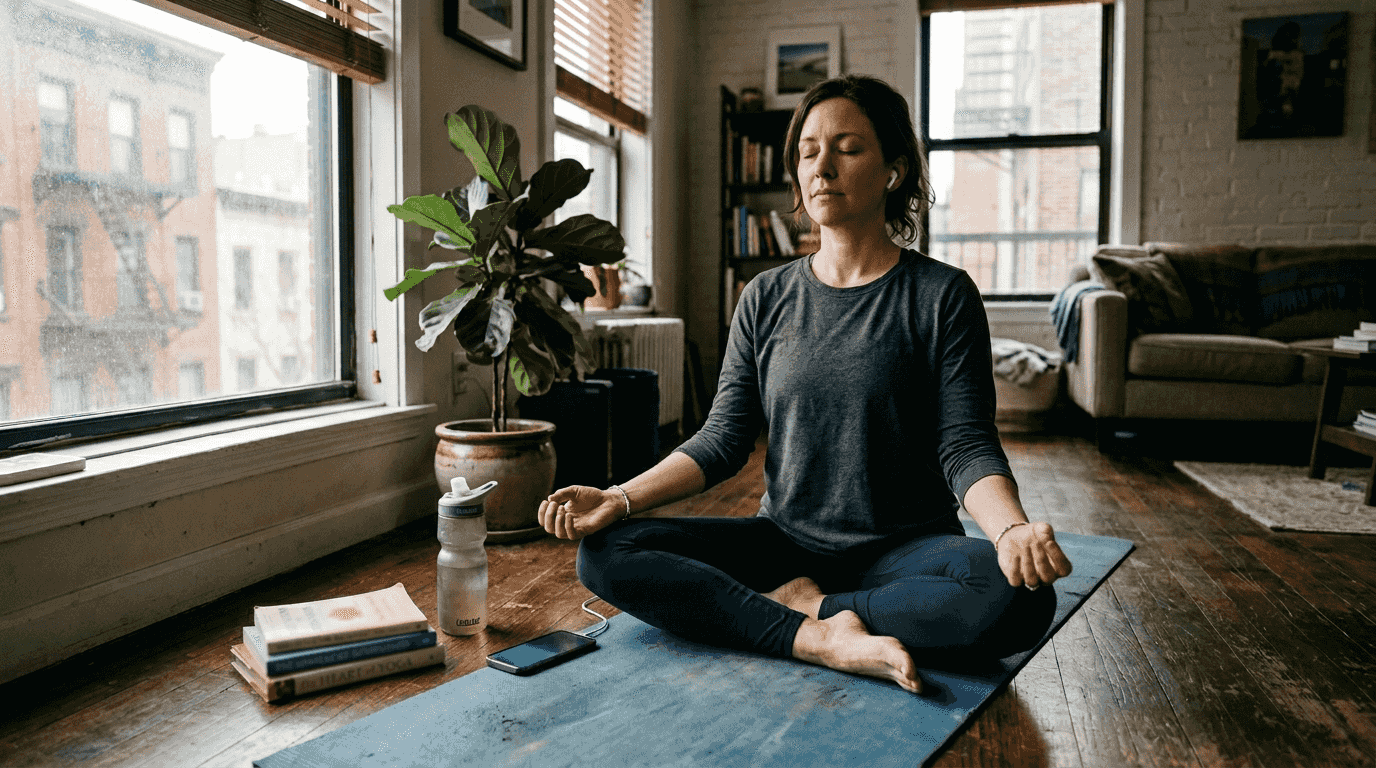
Many people imagine meditation requires clearing your mind completely or sitting in uncomfortable silence for hours. Guided meditation is actually far more accessible and practical. A teacher or narrator leads you through the practice using verbal instructions, helping you direct your attention to breath, body sensations, or visualizations. This article explains what guided meditation truly involves, how it relieves stress through proven mechanisms, and practical steps to start your own practice today.
Table of Contents
Key takeaways
Point | Details |
Voice-led practice | Guided meditation uses a teacher’s voice to direct your focus and awareness |
Brain benefits | Regular practice strengthens regions controlling emotion and attention |
Quick results | Short daily sessions of 10 to 20 minutes produce measurable stress relief |
Holistic health | Meditation enhances emotional flexibility and supports cardiovascular wellness |
Personal fit | Various styles exist to match your preferences and goals |
What guided meditation is and how it works
Guided meditation is led by a teacher or narrator via live, audio, or video, helping focus attention. You sit comfortably, close your eyes, and follow spoken instructions that direct your awareness to specific anchors. These anchors might include your breath, physical sensations in your body, ambient sounds around you, or vivid mental imagery. The guide’s voice serves as a gentle tether, bringing you back whenever your thoughts drift.
You can access guided sessions through multiple formats:
Live classes with an in-person instructor
Pre-recorded audio tracks on apps or streaming platforms
Video sessions combining visual and auditory guidance
Group sessions offering shared energy and accountability
Mind wandering is completely normal and expected. Your brain naturally generates thoughts, memories, and plans throughout any meditation session. The guide helps you notice when attention drifts and gently redirects you back to the present moment without judgment. This process of noticing and returning actually strengthens your awareness muscles over time.
There’s no perfect way to meditate. Some people feel deeply relaxed immediately, while others notice benefits gradually after consistent practice. The goal isn’t to stop thinking entirely or achieve a mystical state. Instead, you’re training your mind to observe thoughts without getting caught up in them, creating space between stimulus and response. How guided meditation works to transform your mind reveals the deeper mechanisms behind this mental training.
Pro Tip: Start with five-minute sessions and gradually increase duration as comfort grows, rather than forcing yourself into lengthy practices that feel overwhelming.
Guided practices cultivate presence without requiring you to figure out the technique alone. The instructor’s voice provides structure and reassurance, making meditation accessible even if you’ve never tried it before. You simply show up, press play, and follow along.
Research-backed benefits of guided meditation for mind and body
Scientific evidence confirms guided meditation delivers substantial health improvements. A 2023 analysis found meditation improves anxiety, depression, and pain across clinical populations. These aren’t just subjective feelings of calm. Brain imaging studies reveal measurable structural changes in regions governing emotional regulation and attention control.

Regular meditation strengthens brain areas involved in attention and emotional regulation, particularly the prefrontal cortex and hippocampus. Your brain literally rewires itself through consistent practice, building neural pathways that support focus and resilience. The amygdala, your brain’s alarm system for threats, shows reduced reactivity after sustained meditation practice. This means you respond to stressors with greater calm and perspective rather than immediate panic.
Physical health benefits extend beyond mental wellness. Meditation may lower blood pressure and improve cardiovascular health, reducing strain on your heart and circulatory system. Some studies indicate improved immune function and reduced inflammation markers in regular meditators. Your body’s stress response system learns to activate less frequently and intensely.
Key benefits include:
Decreased symptoms of anxiety disorders and depression
Enhanced ability to focus attention and resist distractions
Improved emotional flexibility and stress resilience
Better sleep quality and reduced insomnia
Lower chronic pain intensity and improved pain tolerance
Reduced blood pressure and cardiovascular disease risk
Just 10 to 20 minutes daily can enhance stress management and emotional wellbeing. You don’t need hour-long sessions to experience meaningful changes. Consistency matters far more than duration. Building emotional flexibility happens gradually through repeated practice, training your nervous system to remain calm amid challenges.
“Meditation creates a buffer between external events and your internal reactions, giving you choice in how you respond rather than automatically reacting.”
Why you should practice meditation daily for growth and balance explores how these benefits compound over time, creating lasting transformation in your relationship with stress and emotions.
Types of guided meditation and how to choose what fits you
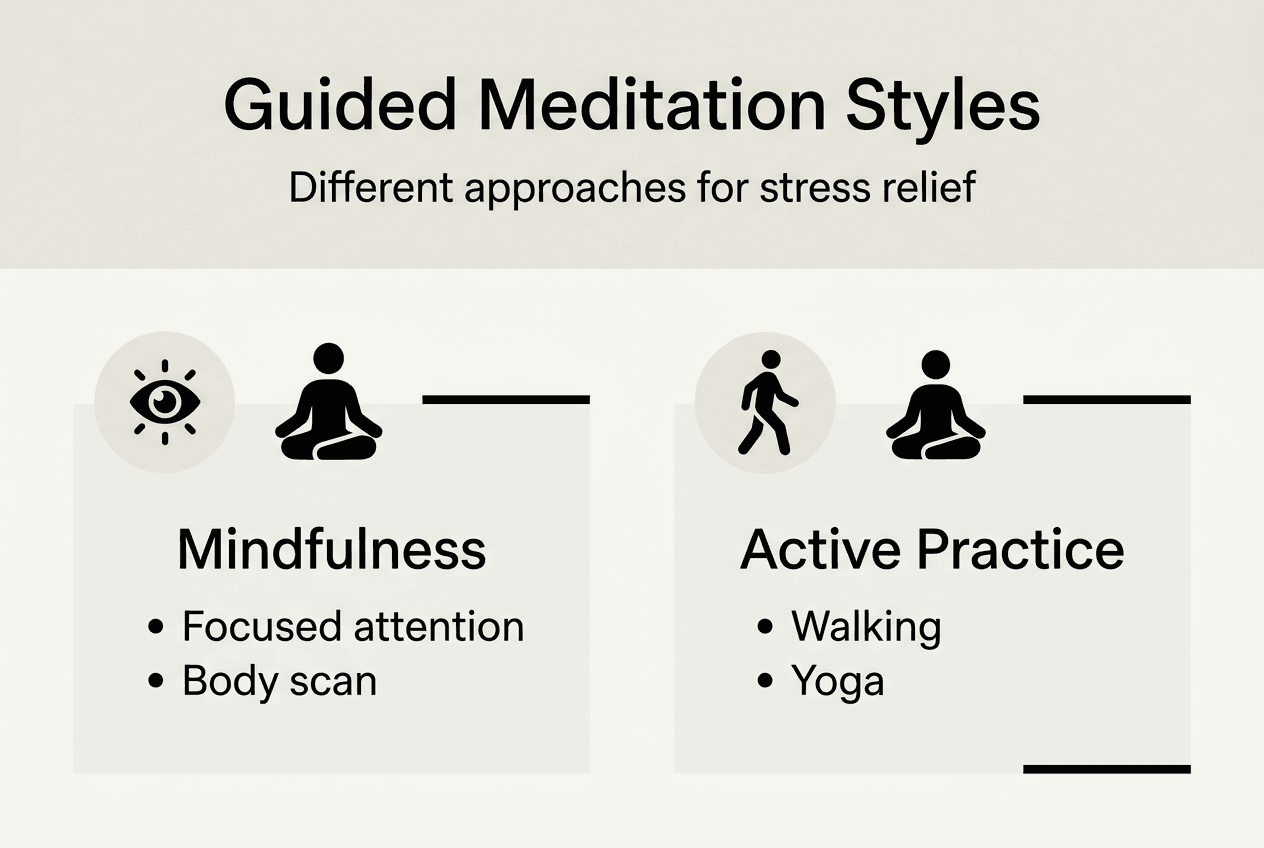
Guided meditation encompasses diverse styles, each offering unique approaches to cultivating awareness. Common methods include focused attention, open monitoring, and loving-kindness meditation. Focused attention practices direct your awareness to a single anchor like breath or a mantra, training concentration. Open monitoring invites you to observe all arising experiences without fixating on any particular sensation. Loving-kindness meditation guides you through phrases wishing wellbeing for yourself and others.
Buddhist meditation practices like Samatha, Vipassana, and Metta transform consciousness through distinct psychological pathways. Samatha cultivates deep concentration and tranquility. Vipassana develops insight into the impermanent nature of experience. Metta generates compassion and loving-kindness toward all beings. These traditional practices maintain ethical awareness and philosophical depth rooted in centuries of refinement.
Western mindfulness guidance often focuses on present moment nonjudgmental awareness without religious context. These secular approaches emphasize practical stress reduction and emotional regulation rather than spiritual awakening. Many corporate wellness programs and therapeutic settings use this framework to make meditation accessible regardless of belief systems.
Style | Focus | Best for |
Focused attention | Single anchor like breath | Building concentration and calming racing thoughts |
Body scan | Progressive attention through body parts | Releasing physical tension and increasing body awareness |
Visualization | Mental imagery of peaceful scenes | Creative minds who respond well to visual guidance |
Loving-kindness | Phrases wishing wellbeing | Cultivating compassion and healing relationships |
Breathwork | Specific breathing patterns | Energy regulation and nervous system balance |
Meditation can be active or passive. Walking meditations guide attention to physical sensations of movement. Yoga combines postures with breath awareness. Sound baths use resonant frequencies to induce relaxation. Some practices incorporate journaling, drawing, or movement to integrate insights.
Finding your style requires experimentation. Try different teachers, durations, and formats to discover what resonates. Some people love soothing nature sounds, while others prefer silence with minimal verbal guidance. Your preferences may shift over time as your practice deepens. Types of meditation practices for personal growth provides detailed exploration of various approaches.
Pro Tip: Sample three different styles for a week each before committing to one approach, giving yourself adequate time to adjust to each method’s unique feel.
Starting a guided meditation practice: tips for beginners
Beginning a meditation practice requires less preparation than you might think. Studies show measurable benefits from consistent meditation sessions as short as three minutes, making daily practice achievable even with packed schedules. Start small rather than ambitious. Five minutes of consistent daily practice builds the habit far more effectively than sporadic 30-minute sessions.
Follow these steps to establish your practice:
Choose a consistent time each day, ideally morning before distractions accumulate
Find a quiet space where you won’t be interrupted for your session duration
Sit comfortably with spine upright, either in a chair or on a cushion
Select a guided recording from a reputable app, teacher, or platform
Close your eyes and follow the instructor’s verbal guidance
Notice when attention wanders and gently return focus without self-criticism
Complete your session and briefly note how you feel afterward
Your environment significantly impacts practice quality. Minimize distractions by silencing devices and informing household members of your meditation time. Comfortable clothing prevents physical discomfort from pulling attention away from the practice. Some people create a dedicated meditation corner with cushions, candles, or meaningful objects to signal the brain it’s time to shift into practice mode.
Use guided recordings or apps for support and structure, especially during your first months. Apps like Insight Timer, Calm, and Headspace offer thousands of free and paid guided sessions across various styles and durations. Having a teacher’s voice to follow removes the uncertainty of whether you’re doing it correctly. You can gradually transition to longer sessions or unguided practice as confidence builds.
Accept mind wandering as part of the process rather than a failure. Your brain will generate thoughts constantly. The practice lies in noticing you’ve drifted and choosing to return attention to the present moment. This noticing and returning strengthens awareness far more than maintaining perfect focus. Each time you redirect attention, you’re doing the meditation correctly.
Pro Tip: Track your practice in a simple journal, noting duration and any observations, to maintain motivation and witness your progress over weeks and months.
Daily meditation routine guide for flow and balance offers detailed frameworks for structuring your practice. Daily mindfulness practices for beginner stress relief provides additional techniques to complement your guided sessions. Progress happens through repetition rather than intensity, so prioritize showing up daily over perfecting any single session.
Explore guided meditation with Awaken Flow Mastery
Ready to deepen your meditation journey with expert guidance tailored for personal growth? Awaken Flow Mastery offers comprehensive programs combining guided meditation, energy alignment practices, and intuitive journaling to help you access sustained flow states. Our 30-day series provides structured daily sessions rooted in over a decade of energy work expertise, making meditation accessible whether you’re just starting or seeking to advance your practice.

Join the Awaken Flow Mastery challenge to build consistent meditation habits with community support and accountability. Explore higher self meditation techniques designed to enhance self-awareness and connect you with your deepest wisdom. Our programs integrate sound frequencies, practical integration tools, and experiential learning to create lasting transformation in your relationship with stress, clarity, and consciousness.
Frequently asked questions about guided meditation
What if my mind keeps wandering during guided meditation?
Mind wandering is completely normal and actually part of the practice itself. Every time you notice your thoughts have drifted and gently bring attention back to the guide’s instructions, you’re strengthening your awareness. The practice isn’t about maintaining perfect focus but rather building the skill of noticing when you’ve wandered and choosing to return.
How long should I meditate daily to see benefits?
Research shows measurable improvements from sessions as brief as three to five minutes daily. Start with five to 10 minutes and gradually increase as the habit solidifies. Consistency matters far more than duration, so daily five-minute sessions produce better results than occasional 30-minute practices.
Can guided meditation help with anxiety and stress?
Yes, clinical studies demonstrate guided meditation significantly reduces anxiety symptoms and improves stress management. Regular practice strengthens brain regions controlling emotional regulation and calms your nervous system’s stress response. Most people notice increased calm and resilience within two to four weeks of consistent practice.
Is there a best time of day to practice guided meditation?
Morning meditation sets a calm, focused tone before daily demands accumulate. However, the best time is whenever you can practice consistently. Some people prefer evening sessions to unwind and process the day. Experiment with different times to discover what fits your schedule and energy patterns.
Are guided meditations suitable for complete beginners?
Guided meditations are ideal for beginners because the instructor’s voice provides structure and direction throughout the session. You don’t need prior experience or special knowledge. Simply follow the verbal guidance, and the teacher will walk you through exactly what to focus on and how to work with your wandering mind.
Recommended

Comments