
How to start meditation: a practical 2026 guide

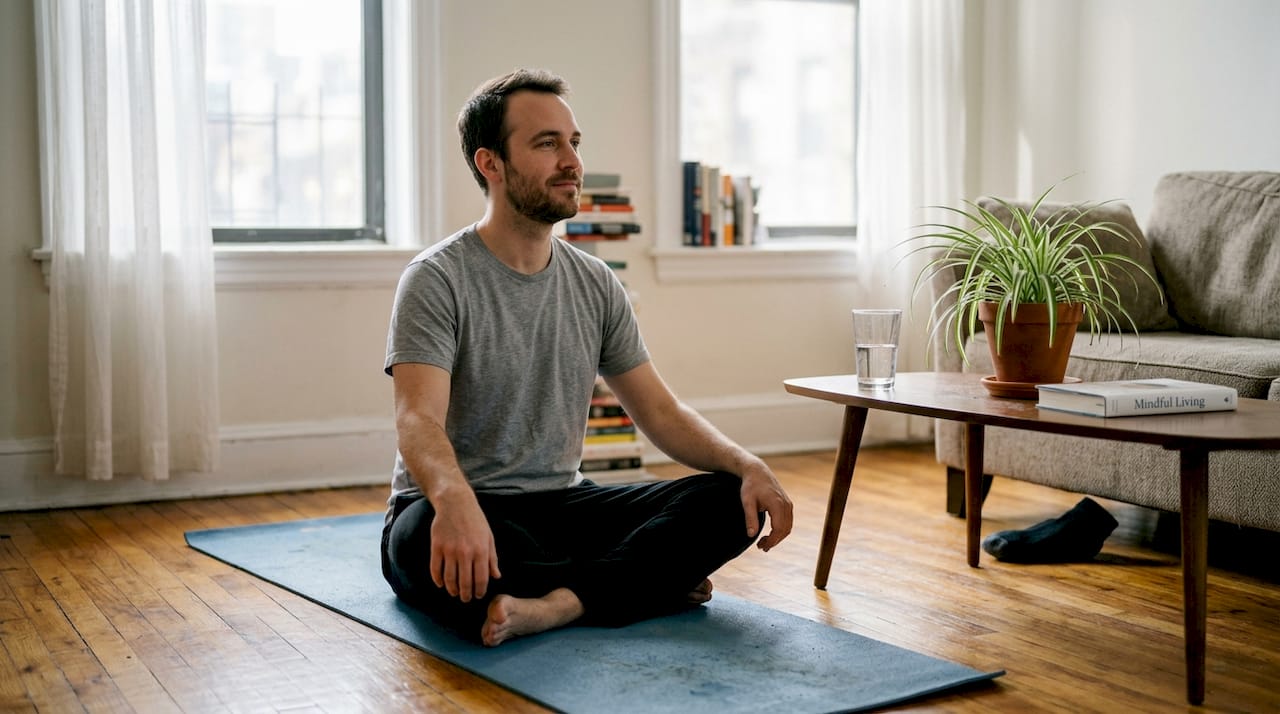
You sit down to meditate, but your mind races with thoughts. Your body feels restless. You wonder if you’re doing it wrong. Many beginners face these challenges when starting meditation, feeling overwhelmed by conflicting advice or unrealistic expectations. This guide walks you through practical steps to begin a meditation practice that fits your life, helping you build confidence through short, guided approaches that support emotional balance and energy alignment. You’ll learn what you need, how to practice effectively, and what realistic outcomes to expect.
Table of Contents
Key takeaways
Point | Details |
Start small | Short daily sessions of 1 to 5 minutes build effective meditation habits without overwhelming beginners. |
Use guidance | Guided meditations and energy alignment techniques support emotional balance and reduce initial confusion. |
Expect challenges | Mind wandering and physical discomfort are normal; practical tips and patience help you manage them. |
Prioritize consistency | Regular practice matters more than session length for lasting stress relief and emotional regulation benefits. |
What you need to start meditating: preparation essentials
Starting meditation doesn’t require expensive equipment or special training. You need a comfortable position and quiet space to help sustain your practice. Choose a spot in your home where you won’t be interrupted, whether that’s a corner of your bedroom, a cushion in your living room, or even a chair at your desk. The key is creating an environment that signals to your brain it’s time to turn inward.
Wear loose, comfortable clothing that doesn’t restrict your breathing or movement. Tight waistbands or stiff fabrics can become distracting focal points during meditation. You’ll also want a timer or meditation app handy to track your sessions without constantly checking the clock. Many beginners find daily mindfulness practices easier to sustain when they remove the mental burden of timekeeping.
The most important preparation happens in your mindset. Release any expectation of achieving a completely empty mind. Meditation is about awareness, not absence of thought. You’re training your attention, not eliminating mental activity.
Essential meditation setup checklist:
Quiet location with minimal interruptions
Comfortable seating (chair, cushion, or mat)
Timer or meditation app
Loose, non restrictive clothing
Open mindset free from performance pressure
Setup Element | Purpose | Beginner Tip |
Quiet space | Reduces external distractions | Use early morning or late evening when household is calm |
Comfortable seat | Prevents physical discomfort | Sit in chair with feet flat if floor sitting is uncomfortable |
Timer | Manages session length | Set for 3 minutes initially, gradually increase |
Relaxed clothing | Allows free breathing | Change out of work clothes into casual wear |
Pro Tip: Keep your meditation spot consistent. Your brain will begin associating that location with relaxation, making it easier to settle into practice each time you return.
Step by step guide to starting your meditation practice
Once your space is ready, follow these concrete steps to begin your first meditation session. Focusing on breath and gently returning attention when your mind wanders forms the foundation of effective practice. Start with just 1 to 5 minutes, which feels manageable and builds confidence without triggering resistance.
Your first meditation session:
Settle into position. Sit with your spine naturally upright but not rigid. Rest your hands on your lap or knees. Close your eyes or soften your gaze downward.
Focus on natural breath. Notice the sensation of air entering and leaving your nostrils. Don’t try to control or deepen your breathing. Simply observe its natural rhythm.
Notice wandering thoughts. Your mind will drift to tasks, worries, or random memories. This is completely normal and expected. When you realize you’ve lost focus, acknowledge it without judgment.
Gently return attention. Bring your awareness back to your breath. This return is the actual meditation practice. You’ll do this dozens of times in a single session.
Scan your body. After focusing on breath, slowly move your attention through your body from head to toes. Notice areas of tension or relaxation without trying to change them.
Visualize energy flow. Imagine a warm light moving up your spine, pausing at each energy center (root, sacral, solar plexus, heart, throat, third eye, crown). This guided meditation approach helps align your energy field.
Close with affirmations. Silently repeat a simple phrase like “I am calm and centered” or “I trust my inner wisdom.” This reinforces a positive mindset and creates a clear endpoint.
Meditation Step | Duration | Primary Benefit |
Breath focus | 1 to 2 minutes | Anchors attention in present moment |
Body scan | 1 to 2 minutes | Increases physical self awareness |
Energy visualization | 1 to 2 minutes | Promotes energetic alignment and flow |
Affirmations | 30 seconds | Reinforces positive mental patterns |
Pro Tip: Don’t judge the quality of your meditation by how calm you feel during it. Success is measured by showing up consistently, not by achieving a particular mental state. Even restless sessions build your awareness muscle.
Exploring different types of meditation practices helps you discover what resonates most with your personality and goals. Some people prefer breath focused techniques, while others connect more deeply with visualization or body awareness methods.
Troubleshooting common meditation challenges and misconceptions
Every beginner encounters obstacles that can derail their practice if not addressed. Mind wandering is normal, and you should gently observe and return focus without self judgment. The moment you notice distraction is actually a moment of awareness, which is the entire point of meditation. You’re not failing when thoughts arise. You’re succeeding by noticing them.
Physical discomfort often stops beginners before they build momentum. If your legs fall asleep or your back aches, adjust your position immediately. Meditation shouldn’t be an endurance test. Sit in a chair with back support if floor sitting causes pain. Use cushions to elevate your hips above your knees, which reduces leg strain. Your body’s comfort directly impacts your ability to focus inward.
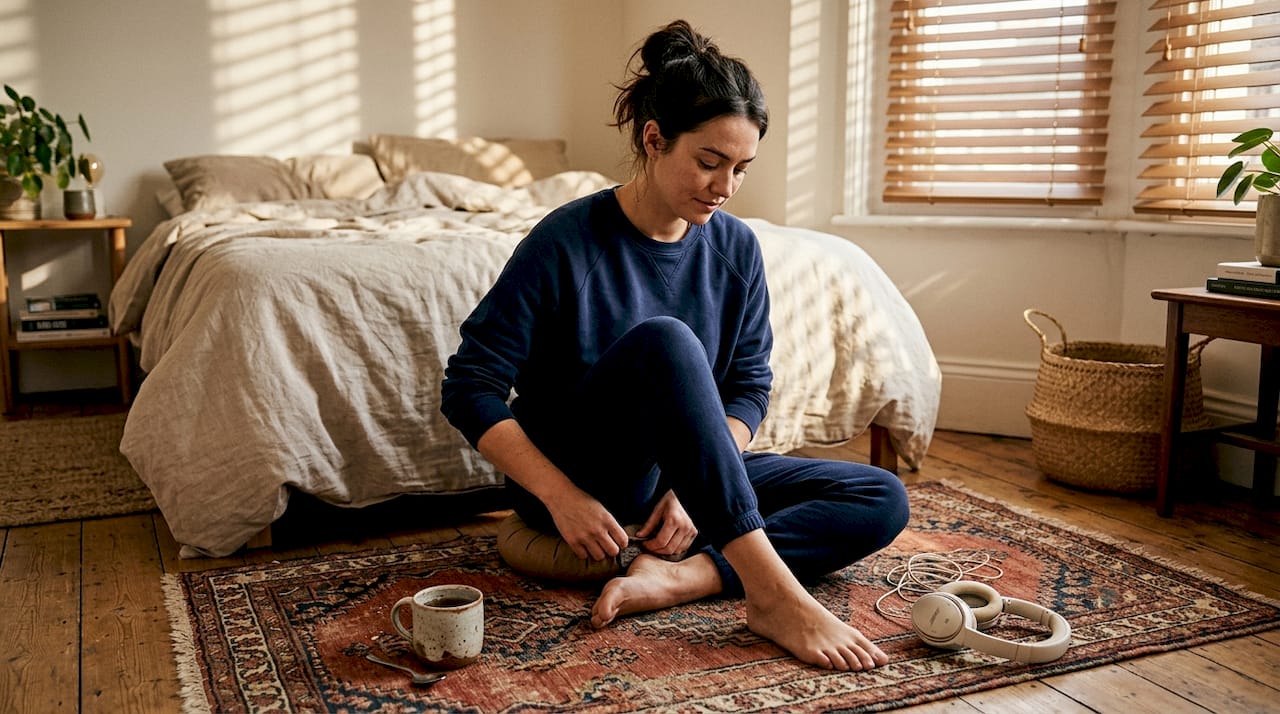
Many beginners set unrealistic expectations based on misconceptions about what meditation should feel like. You won’t achieve instant bliss or profound insights in your first sessions. About 10% may experience negative effects like anxiety amplification, so start small and stay comfortable. If meditation consistently increases your distress, try different techniques or consult with an experienced teacher.
Common obstacles and practical solutions:
Restlessness or fidgeting: Start with 2 minute sessions instead of 10, gradually building tolerance for stillness
Falling asleep: Meditate earlier in the day or in a seated position rather than lying down
Feeling nothing special: Release expectation of dramatic experiences; subtle shifts accumulate over time
Forgetting to practice: Anchor meditation to an existing habit like morning coffee or evening tooth brushing
Doubting effectiveness: Track your mood or stress levels weekly to notice gradual improvements
Consistency matters more than perfection. Practicing meditation daily creates compound benefits that short term intensity cannot match. A 3 minute daily practice outperforms sporadic 30 minute sessions because it builds neural pathways and habit strength.
“Meditation is not about stopping thoughts, but recognizing that we are more than our thoughts and our feelings.” This shift in perspective transforms meditation from a performance task into a self discovery practice.
Pro Tip: If you miss a day, don’t try to make it up with a longer session the next day. Simply return to your regular short practice. Guilt and compensation cycles undermine habit formation. Building a daily meditation routine requires self compassion and realistic expectations, not rigid perfection.
What to expect: benefits, milestones, and realistic outcomes
Short daily meditation practice yields gradual benefits in emotional balance and stress management. Meta analyses show medium effects on emotional regulation and anxiety reduction with short daily sessions, meaning you can expect noticeable but not miraculous improvements. Most beginners report feeling slightly calmer and more centered within 2 to 3 weeks of consistent practice.
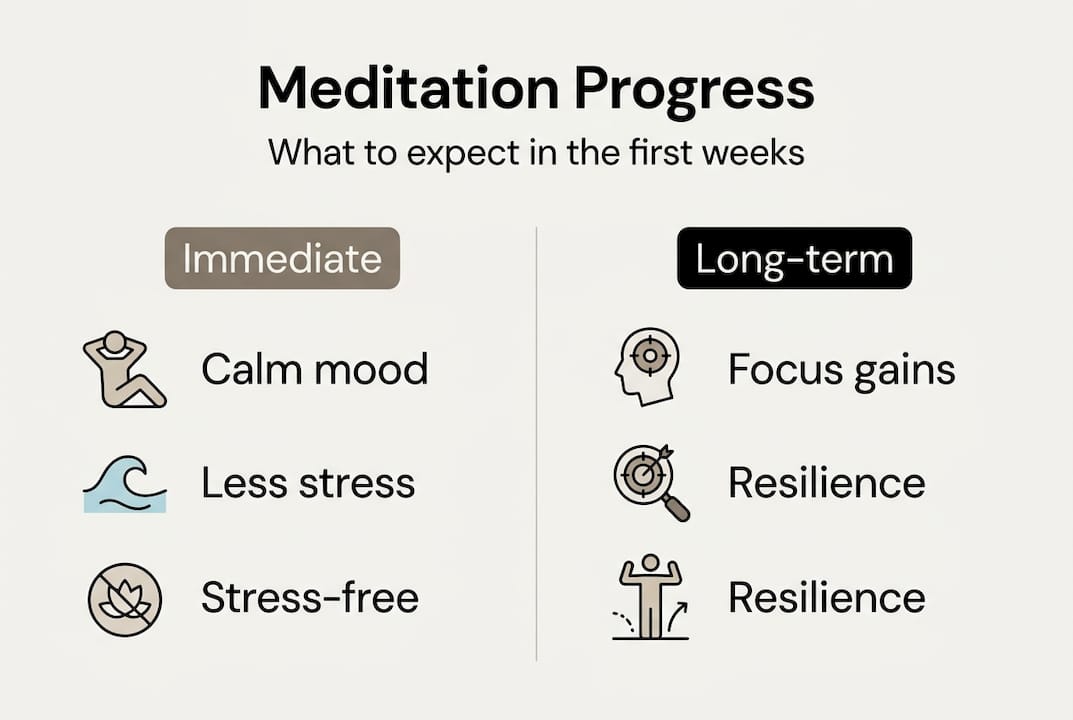
The timeline for meditation benefits varies by individual and practice consistency. Immediate effects include temporary relaxation and mental clarity during and shortly after sessions. Within 4 to 8 weeks, many practitioners notice improved emotional regulation, with less reactive responses to daily stressors. After 3 to 6 months, meditation often becomes a reliable tool for managing anxiety and maintaining perspective during challenges.
Long term practice linked to younger brain age and cognitive health, with experienced meditators showing brain characteristics typical of people years younger. This suggests meditation provides protective benefits that accumulate over time, though these effects require sustained practice measured in years, not weeks.
Realistic benefit timeline:
Week 1 to 2: Increased awareness of thought patterns and stress triggers
Week 3 to 4: Slightly improved ability to pause before reacting emotionally
Month 2 to 3: Noticeable reduction in baseline anxiety and stress levels
Month 4 to 6: Meditation feels more natural and less effortful to maintain
Year 1 plus: Sustained emotional resilience and improved cognitive flexibility
Benefit Category | Average Effect Size | Typical Timeline | Evidence Quality |
Stress reduction | Medium to large | 2 to 4 weeks | Strong, multiple studies |
Emotional regulation | Medium | 4 to 8 weeks | Strong, meta analyses |
Pain management | Small to medium | 6 to 12 weeks | Moderate, mixed results |
Focus improvement | Small to medium | 8 to 12 weeks | Moderate, ongoing research |
Brain structure changes | Small | 6 months plus | Emerging, promising data |
It’s important to acknowledge that meditation doesn’t work equally well for everyone. About 10% of practitioners report neutral or negative experiences, including increased anxiety or uncomfortable emotional releases. If you fall into this category, consider working with a qualified teacher or exploring alternative stress management approaches.
The most reliable predictor of meditation success is consistency, not session length or technique complexity. Reducing stress through meditation requires showing up daily, even when you don’t feel like it or don’t notice immediate effects. Benefits accumulate like compound interest, with small daily deposits creating substantial long term returns.
Meditation also supports professional performance and cognitive function. Research shows that regular practice improves attention span, decision making quality, and creative problem solving. Understanding meditation’s role in productivity helps frame the practice as a practical tool, not just a spiritual pursuit.
Explore Awaken Flow Mastery meditation programs
Now that you understand meditation fundamentals, consider deepening your practice with structured guidance. Awaken Flow Mastery offers comprehensive meditation programs designed specifically for beginners seeking emotional balance and personal growth. The platform provides guided audio sessions that walk you through breathwork, body scans, and energy alignment exercises, removing the guesswork from your practice.
The Awaken Flow Mastery challenge delivers a 30 day structured program combining daily meditations with journaling prompts and integration practices. This systematic approach helps you build consistent habits while exploring various meditation techniques to discover what resonates most. You’ll also gain access to sound frequencies and energy work tools that enhance your ability to enter flow states and connect with your higher self. For those seeking deeper spiritual connection, the Reconnect Higher Self Meditation provides specialized guidance for inner healing and self awareness.
FAQ
How long should beginners meditate daily?
Start with 1 to 5 minutes daily, which feels manageable and builds confidence without triggering resistance or overwhelm. Consistency matters far more than duration for beginners. As meditation becomes a comfortable habit over 2 to 4 weeks, gradually increase to 10 or 15 minutes if desired, but short daily sessions provide substantial benefits.
What if my mind keeps wandering during meditation?
Mind wandering is a completely normal and expected part of meditation, not a sign of failure or poor technique. The practice is noticing when your attention has drifted and gently bringing it back to your breath or chosen focus point. You’ll do this dozens of times per session. Each return strengthens your awareness, making the wandering itself valuable practice.
Can guided meditation help with emotional balance?
Guided meditation techniques support breath awareness, body scanning, and energy flow practices that enhance emotional regulation. Research shows these approaches reduce anxiety and improve stress response patterns. Guided sessions are especially helpful for beginners because they provide structure and direction, preventing the frustration of not knowing what to do.
What if I don’t feel benefits right away?
Meditation benefits often accumulate gradually over weeks rather than appearing immediately after your first sessions. Most practitioners notice subtle shifts in emotional reactivity and stress levels after 2 to 3 weeks of consistent daily practice. If you don’t experience benefits after 6 to 8 weeks, try exploring different meditation styles or complementary practices like journaling. Understanding why daily practice matters helps maintain motivation during the initial learning phase.
Recommended

Comments