
Daily Mindfulness 2026: Cut Depression 19%, Gain Clarity
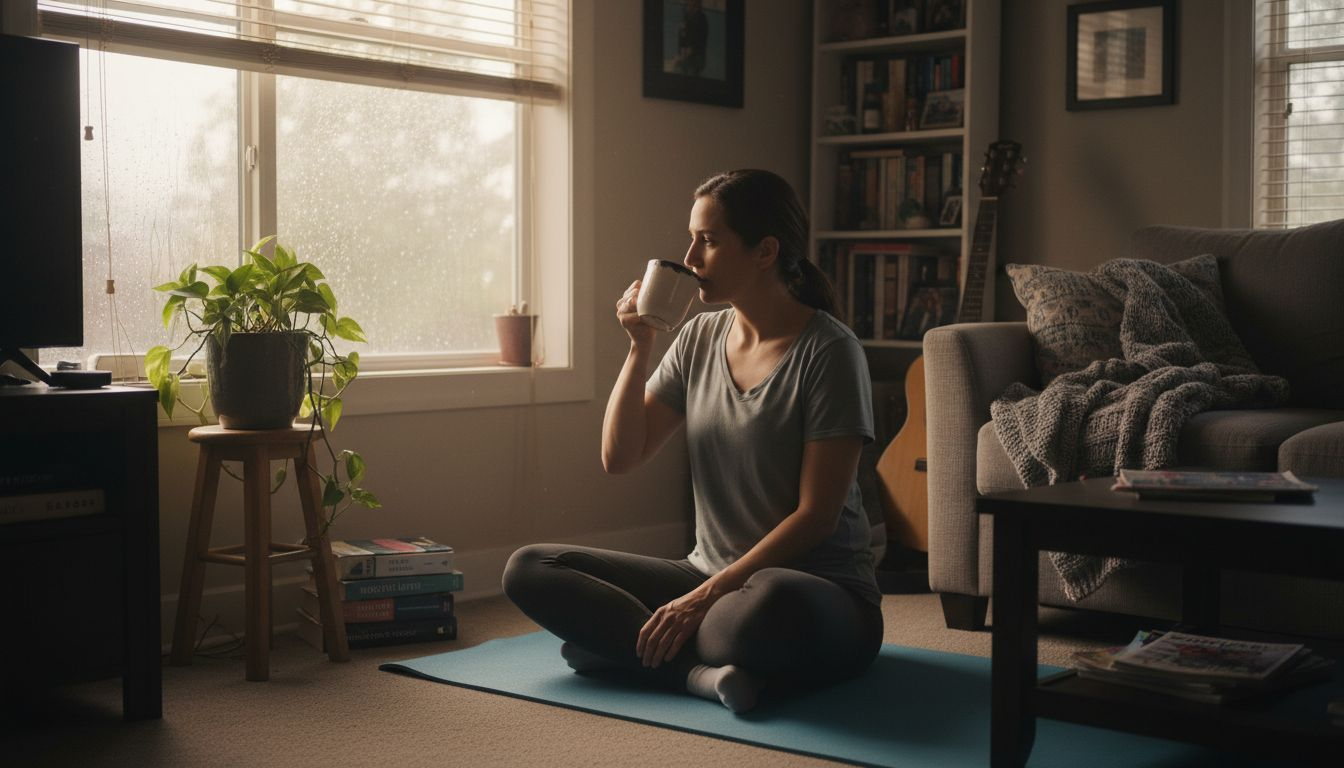
Many people abandon mindfulness because they believe it requires hours of practice, specialized training, or perfect silence. The truth is simpler and more accessible. A structured 10 to 20 minute daily routine delivers measurable emotional benefits, reduces stress, and builds lasting mental clarity. This guide walks you through the prerequisites, core steps, complementary practices, and common pitfalls to help you establish a sustainable mindfulness habit that fits your real life.
Table of Contents
Key Takeaways
Point | Details |
Proven benefits | Structured 10-20 minute daily practice reduces depression by 19.2% and anxiety by 12.6% within weeks. |
Essential setup | Requires a quiet space, 10-20 minute daily commitment, and optional guided audio or journaling tools. |
Core routine | Morning sessions work best: breathing exercises, body scan or loving-kindness, then journaling for insight integration. |
Amplify results | Adding journaling and sound frequencies can boost emotional processing and engagement by 30-40%. |
Avoid pitfalls | Skipping sessions, ignoring distractions, and pushing too hard are fixable with scheduling, environment tweaks, and gradual progression. |
Introduction to Daily Mindfulness
Mindfulness is the practice of bringing attentive, non-judgmental present-moment awareness to your thoughts, emotions, and sensations. It rests on three pillars: anchoring attention to a focal point like the breath, accepting experiences without judgment, and regulating emotional responses through awareness rather than reactivity.
Research consistently shows that even brief daily sessions improve emotion regulation and reduce negative affect. One study tracking participants over several weeks found that daily mindfulness skills focusing on non-judgmental present-moment awareness significantly improve emotion regulation and reduce negative affect, demonstrating measurable changes in emotional stability.
Beginners often fall prey to misconceptions that derail their practice:
Mindfulness requires hours of silent sitting each day
You must eliminate all distractions to benefit
Only advanced practitioners experience real change
Emotional discomfort means you’re doing it wrong
These myths discourage people from starting or cause early abandonment. In reality, consistency matters more than duration. Ten focused minutes practiced daily outperform sporadic hour-long sessions. The key is building a sustainable routine that integrates naturally into your schedule, not forcing yourself into an unsustainable ideal.
Prerequisites: What You Need to Start
Starting a daily mindfulness practice requires minimal resources but deliberate preparation. Most practitioners meditate 10-20 minutes daily, a commitment that fits into most schedules when planned intentionally.
Your environment shapes your success. Choose a quiet space where interruptions are unlikely. This could be a corner of your bedroom, a home office before work hours, or even a parked car during lunch breaks. Comfort matters: sit in a chair with back support or on a cushion on the floor. You don’t need elaborate setups, just consistency in location to build habit cues.
Optional tools enhance your practice but aren’t mandatory:
Guided meditation apps or audio tracks for structure and focus
A journal and pen for post-session reflection
Noise-canceling headphones or ambient sound devices to manage distractions
A timer to track sessions without clock-watching
Your mindset matters as much as your setup. Approach practice with openness rather than expectations of immediate transformation. Patience allows you to observe thoughts and emotions without demanding they change instantly. Non-judgment means noticing distractions or discomfort without labeling yourself as failing.
Category | Required | Optional | Rationale |
Time | 10-20 minutes daily | Extended sessions | Consistency builds neural pathways for sustained benefits |
Space | Quiet, comfortable area | Dedicated meditation room | Reduces interruptions and builds location-based habit cues |
Tools | None | Guided audio, journal, timer | Supports focus and insight integration for beginners |
Mindset | Openness, patience | Prior experience | Reduces resistance and self-criticism that block progress |
Core Daily Steps and Timing
Timing your practice strategically maximizes benefits. Morning sessions leverage your brain’s natural readiness for focus before the day’s demands accumulate. Aim for the same time slot daily to anchor the habit through routine.
Here’s a proven sequence tailored for beginners:
Set your space and posture. Sit comfortably with your spine straight but not rigid. Close your eyes or soften your gaze downward.
Spend 5 to 10 minutes on focused breath awareness. Notice the sensation of air entering and leaving your nostrils or the rise and fall of your chest. When your mind wanders, gently return attention to the breath without judgment.
Transition to a body scan or loving-kindness meditation for 5 to 10 minutes. For body scan, slowly move attention from your toes to your head, noticing sensations. For loving-kindness, silently repeat phrases like “May I be safe, may I be happy” while extending goodwill to yourself and others.
Use guided audio if your mind resists settling. Beginners benefit enormously from structure. Check our daily meditation routine guide for audio recommendations and flow-building techniques.
Journal for 3 to 5 minutes immediately after meditating. Write freely about insights, emotions, or resistance you noticed. This consolidates awareness into conscious understanding.
Practice informal mindfulness throughout your day. Wash dishes with full attention to water temperature and movement. Walk noticing each footfall. Eat slowly, savoring flavors.
Pro Tip: When distractions pull you away during meditation, label them neutrally in your mind—“thinking,” “planning,” “worrying”—then return to your breath anchor. This builds the mental muscle of noticing without engaging.
Complementary Practices to Enhance Results
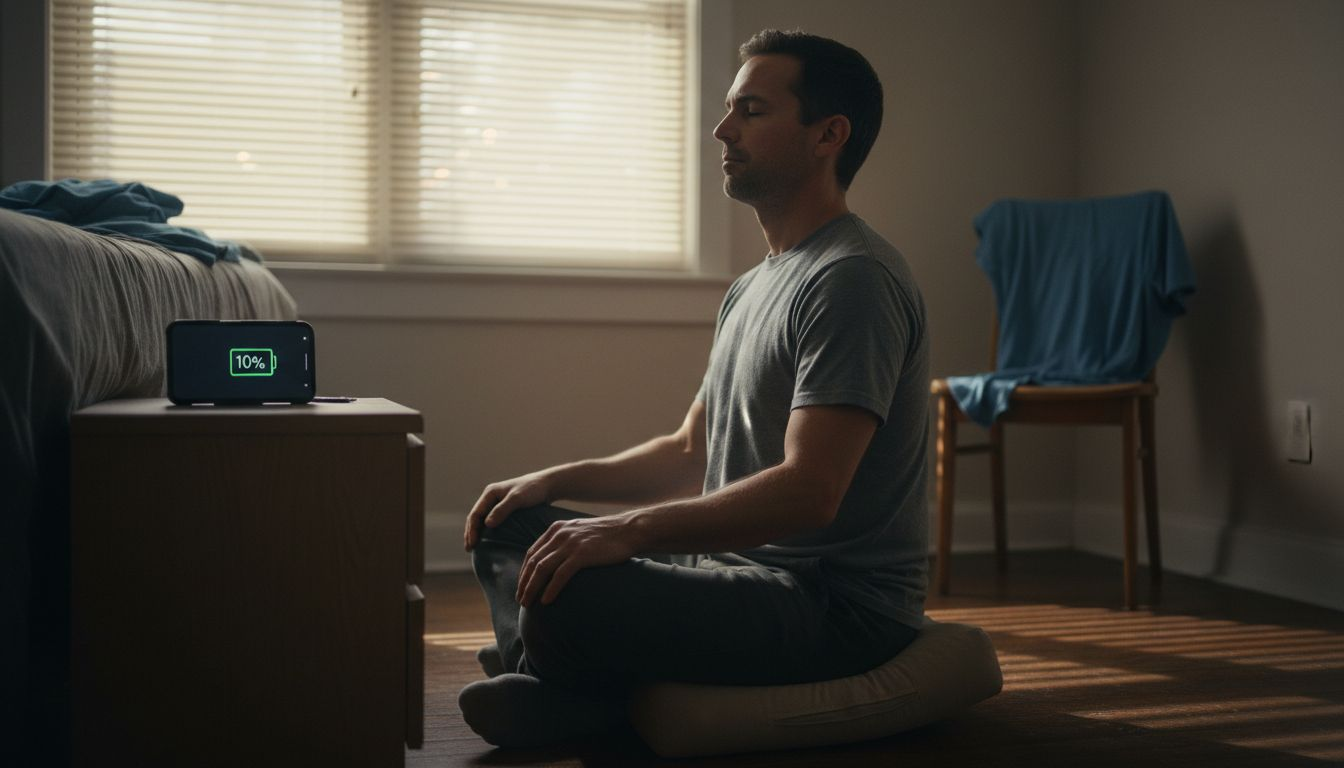
While core meditation builds awareness, complementary practices deepen emotional processing and sustain motivation. Incorporating journaling and sound frequencies into daily mindfulness enhances insight integration and emotional processing beyond meditation alone, with studies showing engagement increases of 30 to 40%.
Mindful journaling transforms fleeting meditation insights into lasting self-knowledge. After each session, explore prompts like:
What emotion felt strongest during practice?
Which thoughts kept recurring, and what might they reveal?
Where in my body did I notice tension or ease?
For structured approaches, review mindful journaling examples and discover how intuitive journaling cuts stress hormones 30 percent through targeted reflection practices.
Sound frequencies and ambient audio support focus and relaxation. Binaural beats, nature sounds, or subtle background music mask distractions and cue your brain into meditative states. Experiment with different soundscapes to find what sustains your attention without becoming intrusive.
Embedding mindfulness into daily routines extends benefits beyond formal sessions. Brush your teeth noticing taste, texture, and motion. During conversations, listen fully without planning your response. These micro-practices train continuous awareness rather than treating mindfulness as isolated from life.
Community support and reminder systems combat inconsistency. Share your commitment with a friend who also practices. Set phone reminders for your session time. Join online groups where members check in daily. Accountability transforms intention into action. Explore our mindfulness blog resources for community tips and ongoing guidance.
Common Mistakes and Failure Points
Even motivated beginners stumble over predictable pitfalls. Recognizing and addressing these patterns keeps your practice on track.
Skipping sessions due to schedule chaos is the most common failure mode. You intend to practice but meetings run long, kids need attention, or exhaustion wins. Fix this by treating mindfulness as non-negotiable as brushing your teeth. Schedule it in your calendar. Set two reminders: one to prepare your space, another to begin. Morning practice before obligations pile up reduces skipping risk dramatically.
Distractions during sessions frustrate beginners into quitting. Traffic noise, household activity, or racing thoughts feel insurmountable. Address environmental distractions by using a dedicated quiet space and noise-canceling tools. For mental distractions, remember that noticing your mind wandering is the practice, not a failure. Each return to breath strengthens attention.
Skipping journaling limits insight integration. Meditation surfaces emotions and patterns, but without reflection, they fade. Journaling cements awareness into understanding. If writing feels burdensome, start with three bullet points: one sensation noticed, one emotion felt, one takeaway. Simplicity sustains the habit.
Pushing too hard causes emotional discomfort that scares people away. Some practitioners force extended sits or confront painful memories before they’re ready. Meditation can surface difficult emotions; this is normal in small doses. If distress persists or intensifies over multiple sessions, reduce practice duration and consider professional guidance. Gradual exposure builds capacity safely.
Pro Tip: Track your practice frequency in a simple habit tracker app or journal. Seeing a chain of completed days motivates continuation. If you miss a day, don’t judge yourself harshly; just resume the next day. Progress isn’t linear.
Safety Considerations and Warnings
While mindfulness benefits most people, awareness of potential risks ensures safe practice. Occasional transient anxiety or emotional discomfort occurs in less than 10% of practitioners and can be mitigated by gradual practice and professional guidance when needed.
Transient anxiety often arises when meditation brings suppressed emotions to conscious awareness. You might feel sadness, fear, or agitation during or after sessions. For most, these feelings pass within minutes or hours and represent healthy emotional processing.
A gradual approach minimizes discomfort. Start with 5-minute sessions and increase duration as comfort grows. Focus on breath or body sensations rather than immediately confronting difficult memories. If emotional intensity feels overwhelming, open your eyes, ground yourself by noticing five things you can see, and end the session.
Safety considerations with mindfulness include occasional transient anxiety or emotional discomfort; these occur in less than 10% of practitioners and can be mitigated by gradual practice and professional guidance.
Seek professional help if you experience persistent distress, panic attacks triggered by practice, or intrusive traumatic memories. Mindfulness complements therapy but doesn’t replace it for clinical conditions. A therapist trained in mindfulness-based interventions can tailor practice to your mental health needs safely.
For most beginners, mindfulness presents minimal risk and substantial benefit. Approach practice gently, respect your emotional boundaries, and trust your instincts about when to push forward and when to step back.
Alternative Approaches and Tradeoffs
Mindfulness isn’t one-size-fits-all. Different formats suit different personalities, lifestyles, and learning preferences. Understanding options helps you choose what sustains your practice.
Solo silent meditation offers maximum flexibility and self-reliance. You control timing, duration, and location. However, beginners often struggle without external structure, and motivation wanes without accountability. This format works best for disciplined self-starters.
Guided app-based meditation provides structure through audio instruction. Apps offer varied session lengths, targeted themes like stress or sleep, and progress tracking. The tradeoff is dependency on technology and potential distraction from notifications. Popular apps work well for beginners needing guidance but can become crutches preventing self-directed practice development.
Virtual reality mindfulness creates immersive environments that block distractions powerfully. Virtual reality mindfulness interventions with immersive environments achieve larger mindfulness gains than active interaction VR or non-immersive methods, showing significantly higher effect sizes in meta-analysis. The barriers are cost, equipment access, and potential motion sickness. VR suits tech-comfortable users willing to invest in hardware.
Group meditation leverages community support and collective energy. Practicing alongside others boosts motivation and provides social accountability. Some find group settings intimidating or distracting, preferring solitary focus. Learn more about group meditation benefits to assess fit.
Approach | Key Features | Pros | Cons | Best For |
Solo silent | Self-directed, no tools | Maximum flexibility, builds self-reliance | Requires discipline, easy to skip | Experienced practitioners, self-starters |
Guided apps | Audio instruction, tracking | Structure for beginners, variety | Tech dependency, notifications distract | Beginners needing guidance and variety |
Virtual reality | Immersive environments | Blocks distractions powerfully, high engagement | Equipment cost, motion sickness risk | Tech enthusiasts, highly distractible users |
Group sessions | Communal practice | Accountability, motivation, social connection | Scheduling constraints, potential intimidation | People valuing community support |
Experiment with multiple formats early to discover what resonates. Many practitioners blend approaches: guided audio on busy mornings, silent solo practice on weekends, occasional group sessions for motivation.
Expected Outcomes and Timelines
Realistic expectations prevent disappointment and sustain practice through early plateaus. Mindfulness delivers measurable benefits within weeks when practiced consistently.
Anticipate noticeable wellbeing improvements within four weeks of daily 10 to 20 minute sessions. Brief daily mindfulness sessions improve wellbeing and reduce depression by 19.2%, anxiety by 12.6%, and enhance positive health attitudes among beginners, with effects accumulating over time.
Emotional regulation strengthens as you build the habit of observing feelings without immediate reaction. You’ll notice shorter recovery times from stressful events and greater ability to choose responses rather than defaulting to automatic patterns. Mental clarity improves as rumination decreases and present-moment focus strengthens.
Physical stress markers like tension headaches or shallow breathing often reduce within weeks. Sleep quality may improve as racing thoughts quiet. Energy levels stabilize as nervous system regulation improves.
Measure success through both objective and subjective metrics. Track practice frequency: aim for at least five days per week. Monitor perceived stress on a simple 1 to 10 scale weekly. Notice behavioral changes like fewer reactive outbursts or improved focus during work. For deeper guidance on building clarity, explore our clarity through meditation insights and compare approaches in our mindfulness vs flow benefits analysis.
Outcome | Typical Timeline | Measurable Change | Sustainability Factor |
Reduced depression symptoms | 4-8 weeks | 19.2% average reduction | Requires ongoing daily practice |
Lower anxiety levels | 4-8 weeks | 12.6% average reduction | Maintained with 5+ sessions weekly |
Improved wellbeing | 4-6 weeks | 6.9% increase in positive affect | Cumulative with sustained practice |
Enhanced emotional regulation | 2-4 weeks | Faster stress recovery, fewer reactive episodes | Strengthens progressively over months |
Greater mental clarity | 2-6 weeks | Improved focus duration, reduced rumination | Deepens with consistent journaling integration |
Progress isn’t always linear. Some days feel easier, others harder. Trust the cumulative effect of showing up daily rather than judging individual sessions.
Explore Our Mindfulness Resources and Programs
You now have the knowledge to build a transformative daily mindfulness practice. The next step is applying what you’ve learned with structured support. Our daily meditation routine guide provides detailed audio-guided sessions designed to help you access flow states and emotional balance effortlessly.

For those seeking deeper self-awareness, explore our clarity through meditation insights, where we share advanced techniques for cutting through mental noise and connecting with your authentic self. Visit Awaken Flow Mastery to discover our comprehensive 30-day program combining guided meditation, intuitive journaling, and sound frequencies rooted in over a decade of energy work expertise. We’re committed to supporting your journey toward sustained mindfulness, emotional well-being, and personal growth.
Frequently Asked Questions About Daily Mindfulness
What is the minimum effective daily mindfulness practice time?
Ten minutes of focused daily practice delivers measurable benefits. Studies show this duration reduces depression and anxiety significantly within weeks. Quality and consistency matter more than length.
How can I stay consistent with mindfulness despite a busy schedule?
Schedule your session at the same time daily, preferably morning before obligations accumulate. Set calendar reminders and treat the commitment as non-negotiable. Even five minutes maintains the habit on exceptionally busy days.
Are there any risks or side effects I should be aware of with daily mindfulness?
Fewer than 10% of practitioners experience transient emotional discomfort like mild anxiety when suppressed feelings surface. These effects typically pass quickly. Stop practicing and seek professional guidance if distress persists across multiple sessions.
Can journaling really make a difference in mindfulness practice?
Yes, journaling after meditation consolidates fleeting insights into lasting self-knowledge. It enhances emotional processing by 30 to 40% and helps identify patterns over time. Even three bullet points per session adds significant value.
What if I miss a day or two—is it still beneficial to continue?
Absolutely. Missing occasional days doesn’t erase progress. Simply resume practice the next day without self-judgment. Benefits accumulate with overall consistency, not perfection. Even practicing five days weekly produces substantial results.
Recommended

Comments